Self-Care Tools That Actually Reduce Stress (Not Just Bubble Baths)
Affiliate Disclaimer: This post contains affiliate links. If you purchase through them, I may earn a small commission at no additional cost to you. I only recommend tools and resources I trust, use, or have vetted.
Self-care tools that actually reduce stress aren’t the ones that look good on social media; they’re the ones that support your nervous system when you’re exhausted, overwhelmed, and running on empty.
Somewhere along the way, self-care became… performative. Bubble baths. Candles. Face masks.
All lovely and sometimes helpful, but if you’re deeply stressed, emotionally exhausted, or running on empty, they often don’t touch the real problem.
Because stress, real stress, doesn’t live on the surface. It lives in:
- your nervous system
- your body
- your constant mental load
- the feeling that you can never fully exhale
And if you’re a woman juggling responsibilities, expectations, caregiving, or quiet burnout, you already know this.
This post is not about aesthetic self-care. It’s about self-care tools that actually reduce stress at its root gently, realistically, and without requiring you to “fix your life.”
Why Most Self-Care Doesn’t Reduce Stress (And Why You’re Not Doing It Wrong)
Before we talk about tools, let’s clear something up. If self-care hasn’t been working for you, it’s not because you’re inconsistent or unmotivated. It’s because most mainstream self-care:
- focuses on momentary pleasure, not regulation
- ignores chronic stress and burnout
- assumes you have energy you don’t have
When you’re overwhelmed, your system doesn’t need more stimulation; it needs safety, containment, and relief.
That’s the lens this list is built on.
What to Look for in Self-Care Tools That Actually Reduce Stress
Effective stress-reducing tools usually do one (or more) of the following:
- calm the nervous system
- reduce decision fatigue
- help your body feel safe
- offload mental and emotional weight
- create micro-moments of relief (not pressure)
You don’t need all of them.
You need one or two that meet you where you are.
Self-Care Tools That Actually Reduce Stress
1. Guided Journals for Emotional Release (Not Productivity)
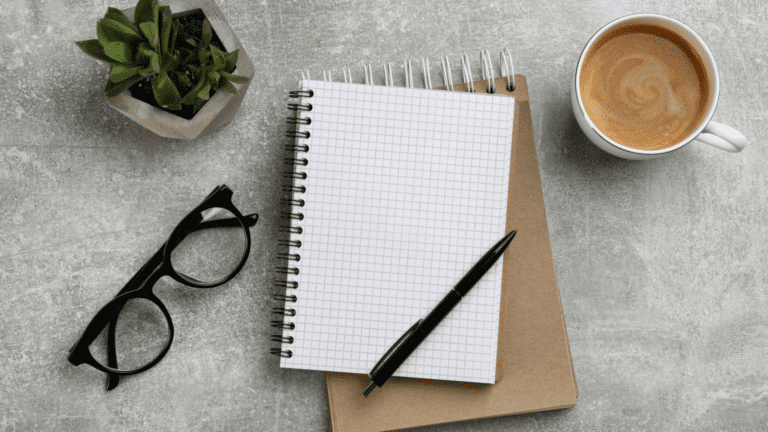
If your mind feels full but unfocused, like everything is swirling but nothing is clear, a guided journal for emotional release is often the most supportive place to start.
These journals focus on emotional check-ins, stress awareness, and gentle reflection, so you’re not staring at a blank page or pushing yourself to “be productive” with your feelings.
A few gentle options I recommend:
- Amazon – Guided Mental Health Journal for Emotional Clarity
Best if you want structure without pressure. These journals often include mood check-ins, reflective prompts, and space to process emotions without forcing solutions. - Etsy – Printable Emotional Release Journal
A great option if you want something softer and more validating. Many Etsy journals are designed specifically for burnout and emotional overwhelm and can be used at your own pace.
Why these help:
They move stress out of your head and onto paper, which immediately reduces mental load and creates a sense of relief.
2. Nervous System Support Tools (Small, Physical, Powerful)
Stress doesn’t only live in your thoughts; it lives in your body. That’s why physical tools that support nervous system regulation can be incredibly effective, even when you don’t feel like doing “self-care.”
These tools help your body feel safe enough to slow down.
A few calming options I recommend:
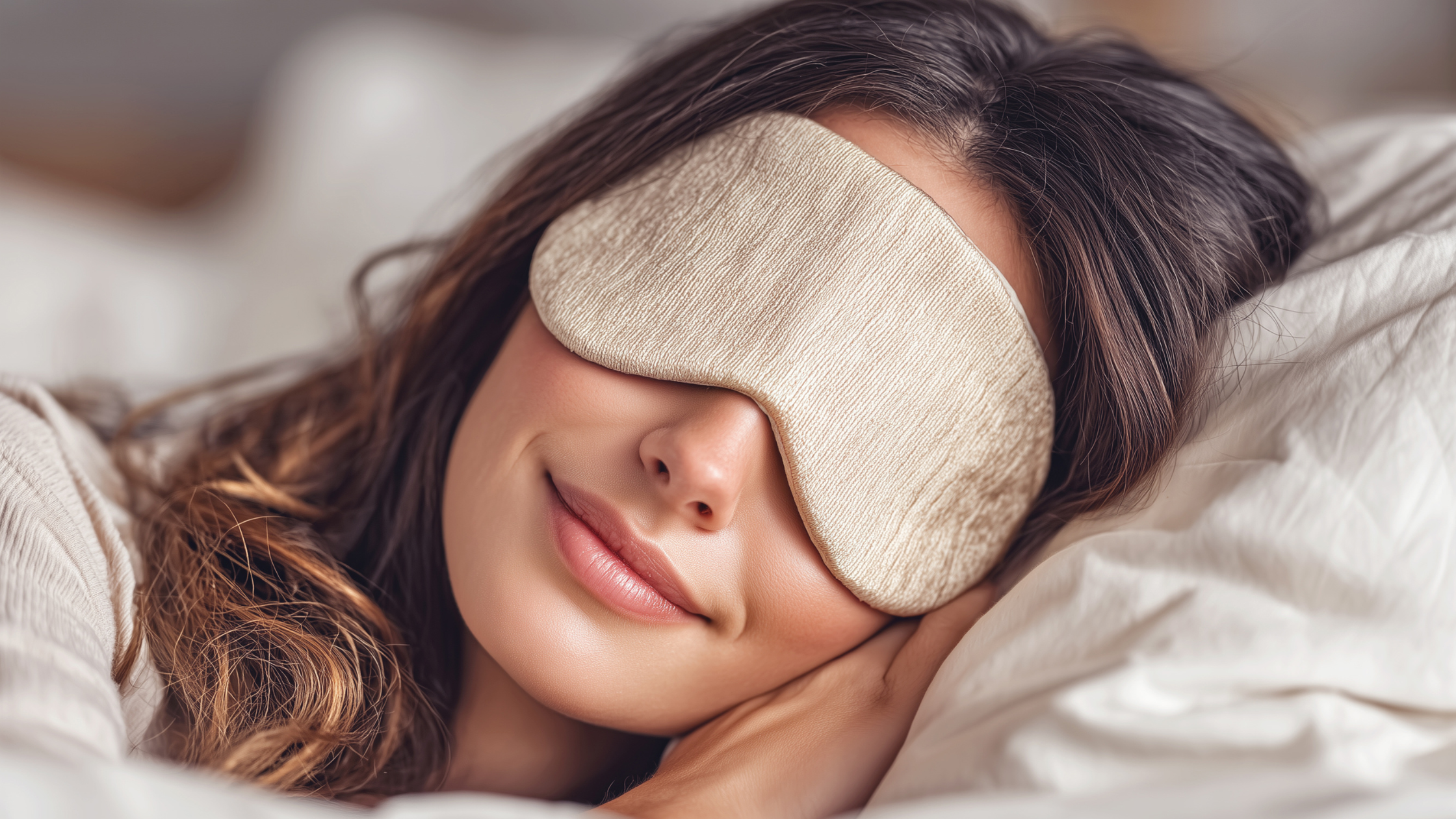
- Amazon – Weighted Eye Mask for Relaxation
Best if your mind races at night or you feel physically tense. The gentle pressure helps signal safety to your nervous system and encourages deep relaxation. - Etsy – Handmade Grounding or Sensory Tool
A thoughtful option if you’re sensitive to overstimulation. Many Etsy creators offer calming sensory items designed specifically for stress and nervous system support.
Why these help:
They help shift your body out of fight-or-flight mode, making it easier to rest and unwind.
3. Stress-Reducing Planners & Minimalist Organizers
This may seem counterintuitive, but the right kind of planning tool can actually reduce stress, while the wrong one makes it worse. Stress-reducing planners are designed to support your energy, not control your time.
A few supportive options I recommend:
- Amazon – Undated Minimalist Planner
Best if you feel overwhelmed by traditional planners. These focus on a few priorities at a time and allow flexibility without rigid schedules. - Etsy – Slow-Living Daily Organizer
A calming option if aesthetics matter to you. These planners often include reflection space and gentle prompts instead of packed schedules.
Why these help:
They reduce decision fatigue and help you stop carrying everything in your head at once.
4. Sleep & Rest Support Tools (Because Stress Recovery Requires Rest)
Chronic stress and poor sleep feed into each other. If your body never fully rests, stress doesn’t get a chance to leave. Sleep-support tools are not about routines or optimization they’re about signaling safety at the end of the day.
A few gentle options I recommend:
- Amazon – Nighttime Reflection or Sleep Journal
Best if your thoughts get louder at night. These journals help you release the day without forcing problem-solving. - Etsy – Bedtime Routine or Night Reflection Printable
A simple, low-pressure option if you want something calming and flexible before sleep.
Why these help:
They support your body’s natural recovery process and make it easier to transition into rest.
5. Printable Self-Care & Burnout Reset Tools (Low Pressure, High Impact)
Printables are especially helpful when you’re burned out and don’t want another commitment. They allow you to receive support without pressure, schedules, or expectations.
A few gentle options I recommend:
- Etsy – Burnout Reset Printable Workbook
Best if you want clarity without intensity. These often include burnout check-ins, reflection prompts, and grounding exercises. - Etsy – Stress Awareness & Self-Care Printable Guide
A supportive option if you want something you can return to only when you need it.
Why these help:
They offer support without pressure, and you can use only what feels helpful in the moment.
What These Tools Have in Common
None of these tools:
- demand consistency
- require motivation
- expect you to be “positive”
- try to fix you
They all do one essential thing: they reduce stress by creating safety, clarity, or relief. That’s real self-care.
How to Choose the Right Stress-Reducing Tool for You
Ask yourself:
- Am I mentally overwhelmed or emotionally heavy? → Journal
- Am I physically tense or overstimulated? → Nervous system tools
- Am I drowning in to-dos? → Minimal planner
- Am I exhausted and not sleeping well? → Rest support
- Do I want something gentle and flexible? → Printables
Choose one. You can always add more later.
Related Guides to Support This Season
If this guide resonated, these posts explore stress, burnout, and emotional overload more deeply, each one designed to offer clarity without pressure:
- The Subtle Signs of Burnout You Might Be Ignoring
A gentle guide to recognizing burnout when you’re still functioning, holding it together, and telling yourself you’re “just tired.” - Why You’re Always Exhausted Even When You Rest
This guide helps you understand why rest alone doesn’t always bring relief, and what your exhaustion may really be signaling. - Best Journals for Women Who Feel Lost or Overwhelmed
A deeper look at burnout-friendly self-care tools that help your body feel safe, regulated, and less overwhelmed. - How to Start Over After 35 Without Burning Everything Down
For women sensing that stress and burnout may be pointing toward a deeper life shift, and wanting change that’s steady, thoughtful, and grounded.
Frequently Asked Questions About Self-Care Tools That Reduce Stress
When stress feels constant or overwhelming, it’s normal to have questions about what actually helps. These answers are meant to offer clarity, not pressure, as you explore supportive self-care tools.
1. What are self-care tools that actually reduce stress?
Self-care tools that actually reduce stress support your nervous system, emotional regulation, or mental load, rather than just offering short-term distraction. These tools often help your body feel safer, calmer, or less overstimulated, which allows stress to release more naturally over time.
2. Why don’t common self-care ideas like bubble baths always work?
Bubble baths and similar self-care rituals can be soothing, but they don’t always address deeper or chronic stress. When stress lives in the nervous system or comes from emotional overload, surface-level relaxation often isn’t enough. Tools that support grounding, emotional processing, or rest tend to be more effective in these seasons.
3. What kind of self-care is best for burnout?
For burnout, the most helpful self-care tools are gentle and low-pressure. This often includes guided journals, nervous system support tools, minimalist planners, sleep support, or simple grounding practices. Burnout recovery isn’t about doing more, it’s about reducing strain and creating safety.
4. Can self-care tools really help with chronic stress?
Yes, when used consistently and gently, self-care tools can help reduce chronic stress. They don’t remove stressors instantly, but they help your body and mind cope more effectively. Over time, this can lower emotional reactivity, improve rest, and increase a sense of inner steadiness.
5. How do I choose the right self-care tool when I’m overwhelmed?
The best self-care tool is the one that feels supportive rather than demanding. If you’re mentally overwhelmed, journaling or planning tools may help. If stress feels physical, grounding or nervous system tools can be more effective. Start with one small tool and notice how your body responds.
6. Is it normal to feel worse before feeling better when trying self-care?
Sometimes, yes. Slowing down or tuning inward can bring awareness to emotions you’ve been pushing aside. This doesn’t mean the tool isn’t working, it often means you’re finally giving yourself space to notice what’s been there. You can always pause or adjust your approach.
7. How often should I use self-care tools to reduce stress?
There’s no required schedule. Self-care tools are most helpful when they’re flexible. You can use them daily, occasionally, or only when stress feels heavy. The goal is support, not discipline or consistency.
8. What should I avoid when choosing self-care tools?
When you’re stressed or burned out, it’s best to avoid tools that:
- emphasize productivity or optimization
- require strict routines
- rely on forced positivity
- assume high energy or motivation
Supportive self-care should meet you where you are, not push you beyond your capacity.
A Gentle Reminder
If you’re drawn to calm, realistic self-care tools, it’s usually because your system is asking for support, not escape. You don’t need to overhaul your life or plan a perfect reset. You need something that meets you where you are and helps you feel steadier from the inside out.
That’s why the tools shared here, from guided burnout reset journals to emotional clarity workbooks and slow living reflection guides, are meant to support you quietly, without pressure or performance.
Start with one small thing, let it help you breathe a little deeper, and be enough for now because real relief doesn’t come from doing more. It comes from choosing support that actually understands this season.
Xoxo,